Cyriak
Welcome to Kitty City:
Baaa:
http://youtu.be/WQO-aOdJLiw
Via http://www.triangulationblog.com/2011/06/baaa-by-cyriak.html
http://cyriak.co.uk/blog/
Baaa:
http://youtu.be/WQO-aOdJLiw
Via http://www.triangulationblog.com/2011/06/baaa-by-cyriak.html
http://cyriak.co.uk/blog/
Pascual Sisto
No Strings Attached:
http://youtu.be/x_t76fqBj2A
28 Years in the Implicate Order:
http://www.youtube.com/watch?v=mED9BEUlXQs
http://ilikethisart.net/?p=9821
http://www.pascualsisto.com/projects/meeting-under-bridge/
http://www.pascualsisto.com/
http://youtu.be/x_t76fqBj2A
28 Years in the Implicate Order:
http://www.youtube.com/watch?v=mED9BEUlXQs
http://ilikethisart.net/?p=9821
http://www.pascualsisto.com/projects/meeting-under-bridge/
http://www.pascualsisto.com/
Marc Silver
There are no others, There is only us:
http://vimeo.com/6434925 - via http://ilikethisart.net/?p=9855
Ageless sex:
http://vimeo.com/6437959
http://vimeo.com/6434925 - via http://ilikethisart.net/?p=9855
Ageless sex:
http://vimeo.com/6437959
Sergio Albiac
Content is Queen:
Via http://www.todayandtomorrow.net/2011/05/24/content-is-queen/
http://www.sergioalbiac.com/
Content is Queen from Sergio Albiac on Vimeo.
Via http://www.todayandtomorrow.net/2011/05/24/content-is-queen/
http://www.sergioalbiac.com/
Georges Méliès
Tentation de Saint-Antoine:
http://www.youtube.com/watch?v=NhEb11XRiCM
Le Cauchemar:
http://www.youtube.com/watch?v=96P4BLD75C4
Diable au Convent:
http://www.youtube.com/watch?v=czBR5hTu0Yg
Georges Méliès (December 8, 1861 – January 21, 1938), full name Marie-Georges-Jean Méliès, was a French filmmaker famous for leading many technical and narrative developments in the earliest cinema. He was very innovative in the use of special effects. He accidentally discovered the stop trick, or substitution, in 1896, and was one of the first filmmakers to use multiple exposures, time-lapse photography, dissolves, and hand-painted color in his films. Because of his ability to seemingly manipulate and transform reality through cinematography, Méliès is sometimes referred to as the First "Cinemagician."
http://en.wikipedia.org/wiki/Georges_M%C3%A9li%C3%A8s
http://www.youtube.com/watch?v=NhEb11XRiCM
Le Cauchemar:
http://www.youtube.com/watch?v=96P4BLD75C4
Diable au Convent:
http://www.youtube.com/watch?v=czBR5hTu0Yg
Georges Méliès (December 8, 1861 – January 21, 1938), full name Marie-Georges-Jean Méliès, was a French filmmaker famous for leading many technical and narrative developments in the earliest cinema. He was very innovative in the use of special effects. He accidentally discovered the stop trick, or substitution, in 1896, and was one of the first filmmakers to use multiple exposures, time-lapse photography, dissolves, and hand-painted color in his films. Because of his ability to seemingly manipulate and transform reality through cinematography, Méliès is sometimes referred to as the First "Cinemagician."
http://en.wikipedia.org/wiki/Georges_M%C3%A9li%C3%A8s
Gnosticism
http://en.wikipedia.org/wiki/Gnosticism
From the book "The Gnostic Gospels" by Elaine Pagels.
http://www.necessaryprose.com/pagels.html
In the Portuguese translation:
Os Actos de João passam a contar como Jesus, na noite anterior à sua prisão, a qual antecipava, se juntou aos discípulos em Getesémani:
(...) ele reuniu-nos a todos, e disse: "Antes que eu lhes seja entregue, cantemos um hino ao Pai, encaminhando-nos para aquilo que se encontra à [nossa] frente." De seguida disse-nos para formarmos um círculo e segurarmos as mãos uns dos outros, ele próprio ficando no meio (...)"
"Respondei-me, Ámen", ordenou Jesus aos discípulos, após o que começou a entoar um cântico místico que diz em parte,
"Ao Universo pertence o dançarino". - "Amén".
"Aquele que não dança desconhece o que se passa". - "Amén" (...)
"Ora se seguirdes a minha dança, se vos virdes a vós próprios em Mim que falo (...)
Vós que dançais, considerai o que eu faço, pois vossa é
Esta paixão do Homem que eu devo sofrer. Pois vós não tinhéis como compreender quanto sofreis
a não ser que eu vos vosse enviado pelo Pai como Logos (...)
Aprendei a sofrer e conseguireis não sofrer".
João prossegue:
Depois de o Senhor ter dançado connosco, meus amados, ele saiu [para sofrer]. (...)
~~~
Atribuído a Jesus no Evangelho de Tomé:
"Se exteriorizardes aquilo que está dentro de vós, aquilo que exteriorizardes salvar-vos-á. Se não exteriorizardes aquilo que está dentro de vós, aquilo que não exteriorizardes destruir-vos-á."
~~~
The Thunder, Perfect Mind:
http://www.gnosis.org/naghamm/thunder.html
I was sent forth from the power,
and I have come to those who reflect upon me,
and I have been found among those who seek after me.
Look upon me, you who reflect upon me,
and you hearers, hear me.
You who are waiting for me, take me to yourselves.
(...)
For I am the first and the last.
I am the honored one and the scorned one.
I am the whore and the holy one.
I am the wife and the virgin.
I am and the daughter.
I am the members of my mother.
I am the barren one
and many are her sons.
I am she whose wedding is great,
and I have not taken a husband.
I am the midwife and she who does not bear.
I am the solace of my labor pains.
I am the bride and the bridegroom,
and it is my husband who begot me.
I am the mother of my father
and the sister of my husband
and he is my offspring.
I am the slave of him who prepared me.
I am the ruler of my offspring.
But he is the one who begot me before the time on a birthday.
And he is my offspring in (due) time,
and my power is from him.
I am the staff of his power in his youth,
and he is the rod of my old age.
And whatever he wills happens to me.
I am the silence that is incomprehensible
and the idea whose remembrance is frequent.
I am the voice whose sound is manifold
and the word whose appearance is multiple.
I am the utterance of my name.
(...)
For many are the pleasant forms which exist in numerous sins,
and incontinencies,
and disgraceful passions,
and fleeting pleasures,
which (men) embrace until they become sober
and go up to their resting place.
And they will find me there,
and they will live,
and they will not die again.
From the book "The Gnostic Gospels" by Elaine Pagels.
http://www.necessaryprose.com/pagels.html
In the Portuguese translation:
Os Actos de João passam a contar como Jesus, na noite anterior à sua prisão, a qual antecipava, se juntou aos discípulos em Getesémani:
(...) ele reuniu-nos a todos, e disse: "Antes que eu lhes seja entregue, cantemos um hino ao Pai, encaminhando-nos para aquilo que se encontra à [nossa] frente." De seguida disse-nos para formarmos um círculo e segurarmos as mãos uns dos outros, ele próprio ficando no meio (...)"
"Respondei-me, Ámen", ordenou Jesus aos discípulos, após o que começou a entoar um cântico místico que diz em parte,
"Ao Universo pertence o dançarino". - "Amén".
"Aquele que não dança desconhece o que se passa". - "Amén" (...)
"Ora se seguirdes a minha dança, se vos virdes a vós próprios em Mim que falo (...)
Vós que dançais, considerai o que eu faço, pois vossa é
Esta paixão do Homem que eu devo sofrer. Pois vós não tinhéis como compreender quanto sofreis
a não ser que eu vos vosse enviado pelo Pai como Logos (...)
Aprendei a sofrer e conseguireis não sofrer".
João prossegue:
Depois de o Senhor ter dançado connosco, meus amados, ele saiu [para sofrer]. (...)
~~~
Atribuído a Jesus no Evangelho de Tomé:
"Se exteriorizardes aquilo que está dentro de vós, aquilo que exteriorizardes salvar-vos-á. Se não exteriorizardes aquilo que está dentro de vós, aquilo que não exteriorizardes destruir-vos-á."
~~~
The Thunder, Perfect Mind:
http://www.gnosis.org/naghamm/thunder.html
I was sent forth from the power,
and I have come to those who reflect upon me,
and I have been found among those who seek after me.
Look upon me, you who reflect upon me,
and you hearers, hear me.
You who are waiting for me, take me to yourselves.
(...)
For I am the first and the last.
I am the honored one and the scorned one.
I am the whore and the holy one.
I am the wife and the virgin.
I am
I am the members of my mother.
I am the barren one
and many are her sons.
I am she whose wedding is great,
and I have not taken a husband.
I am the midwife and she who does not bear.
I am the solace of my labor pains.
I am the bride and the bridegroom,
and it is my husband who begot me.
I am the mother of my father
and the sister of my husband
and he is my offspring.
I am the slave of him who prepared me.
I am the ruler of my offspring.
But he is the one who begot me before the time on a birthday.
And he is my offspring in (due) time,
and my power is from him.
I am the staff of his power in his youth,
and he is the rod of my old age.
And whatever he wills happens to me.
I am the silence that is incomprehensible
and the idea whose remembrance is frequent.
I am the voice whose sound is manifold
and the word whose appearance is multiple.
I am the utterance of my name.
(...)
For many are the pleasant forms which exist in numerous sins,
and incontinencies,
and disgraceful passions,
and fleeting pleasures,
which (men) embrace until they become sober
and go up to their resting place.
And they will find me there,
and they will live,
and they will not die again.
Trickster
"...a trickster is a god, goddess, spirit, man, woman, or anthropomorphic animal who plays tricks or otherwise disobeys normal rules and conventional behavior."
http://en.wikipedia.org/wiki/Trickster
In the context of liminality, the trickster is a very dangerous figure: “in a liminal situation where certainties are lost, imitative behavior escalates, and tricksters can be mistaken for charismatic leaders”[66]. This means that in their search for guidance, the individuals caught in the liminal situation might choose to follow a trickster, whom they confuse with a charismatic leader capable of “saving” them. Liminal periods that affect entire societies are characterized by the absence of a “master of ceremonies” (the leadership figures that are supposed to lead the initiands out of the liminal phase), which can in turn lead to the rise of tricksters into positions of power. When a trickster enters into a position of leadership, “liminality will not be restricted to a temporary crisis, followed by a return to normality, but can be perpetuated endlessly”[67]. This can be explained by three important characteristics of the trickster: his lack of a home (the trickster is, by definition, homeless and an outsider), lack of deeply felt human relations, and lack of existential commitments[68]. These traits cause the trickster to have no interest in solving the liminal crisis; “on the contrary, being really at home in liminality, or in homelessness, his real interest lies in its opposite, in perpetuating such conditions of confusion”[69]. On the other hand, the trickster is also a mime. “Imitation, whether in learning or in social activity, is only possible in so far as we are not aware that we are actually imitating…because as soon as we do so, imitation becomes a mere miming and would produce no effect in learning or no pleasure in involvement”[70]. Seeing as the trickster is incapable of “experiencing learning or the pleasure of sociability” as others do, he can be considered a mime rather than an imitator[71]. He thus appears to act just as everyone else does. With this in mind, there are “two characteristics [of the trickster] that under certain conditions could turn to be profitable, even [leading him to gain] unlimited and total power”: “his permanent state of exteriority helps him to think rationally and makes him a good mime: he cannot learn by genuine imitation but learns how to mime others and this produces laughter; thus he receives appreciation that otherwise he would never obtain”[72].
http://en.wikipedia.org/wiki/Liminality#Imitation.2C_leadership.2C_and_the_role_of_the_trickster
http://en.wikipedia.org/wiki/Trickster
In the context of liminality, the trickster is a very dangerous figure: “in a liminal situation where certainties are lost, imitative behavior escalates, and tricksters can be mistaken for charismatic leaders”[66]. This means that in their search for guidance, the individuals caught in the liminal situation might choose to follow a trickster, whom they confuse with a charismatic leader capable of “saving” them. Liminal periods that affect entire societies are characterized by the absence of a “master of ceremonies” (the leadership figures that are supposed to lead the initiands out of the liminal phase), which can in turn lead to the rise of tricksters into positions of power. When a trickster enters into a position of leadership, “liminality will not be restricted to a temporary crisis, followed by a return to normality, but can be perpetuated endlessly”[67]. This can be explained by three important characteristics of the trickster: his lack of a home (the trickster is, by definition, homeless and an outsider), lack of deeply felt human relations, and lack of existential commitments[68]. These traits cause the trickster to have no interest in solving the liminal crisis; “on the contrary, being really at home in liminality, or in homelessness, his real interest lies in its opposite, in perpetuating such conditions of confusion”[69]. On the other hand, the trickster is also a mime. “Imitation, whether in learning or in social activity, is only possible in so far as we are not aware that we are actually imitating…because as soon as we do so, imitation becomes a mere miming and would produce no effect in learning or no pleasure in involvement”[70]. Seeing as the trickster is incapable of “experiencing learning or the pleasure of sociability” as others do, he can be considered a mime rather than an imitator[71]. He thus appears to act just as everyone else does. With this in mind, there are “two characteristics [of the trickster] that under certain conditions could turn to be profitable, even [leading him to gain] unlimited and total power”: “his permanent state of exteriority helps him to think rationally and makes him a good mime: he cannot learn by genuine imitation but learns how to mime others and this produces laughter; thus he receives appreciation that otherwise he would never obtain”[72].
http://en.wikipedia.org/wiki/Liminality#Imitation.2C_leadership.2C_and_the_role_of_the_trickster
First Experimental Color Films
Lumière Brothers - The Serpentine Dance (c.1899) :
http://www.youtube.com/watch?v=UkT54BetFBI
Probably by William Norman Lascelles Davidson and Benjamin Jumeaux (c. 1902) :
http://www.youtube.com/watch?v=LcIvm0YW_6A
Flowers (1912) :
http://www.youtube.com/watch?v=JDYwfSwZyjY
Thomas Edison - Anna Belle Serpentine Dance:
http://www.youtube.com/watch?v=p94yQ8cvTHg
http://www.youtube.com/watch?v=UkT54BetFBI
Probably by William Norman Lascelles Davidson and Benjamin Jumeaux (c. 1902) :
http://www.youtube.com/watch?v=LcIvm0YW_6A
Flowers (1912) :
http://www.youtube.com/watch?v=JDYwfSwZyjY
Thomas Edison - Anna Belle Serpentine Dance:
http://www.youtube.com/watch?v=p94yQ8cvTHg
Tartarus
In classic mythology, below Uranus (sky), Gaia (earth), and Pontus (sea) is Tartarus, or Tartaros (Greek Τάρταρος, deep place). It is a deep, gloomy place, a pit, or an abyss used as a dungeon of torment and suffering that resides beneath the underworld. In the Gorgias, Plato (c. 400 BC) wrote that souls were judged after death and those who received punishment were sent to Tartarus.http://en.wikipedia.org/wiki/Tartarus
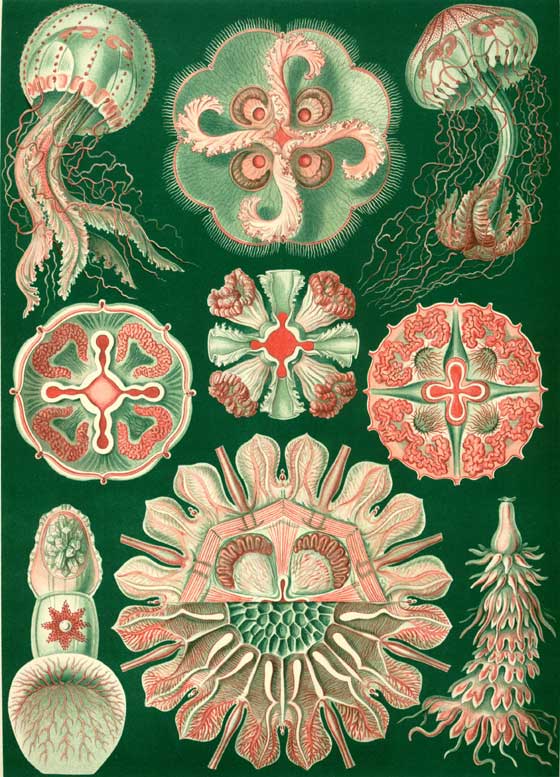
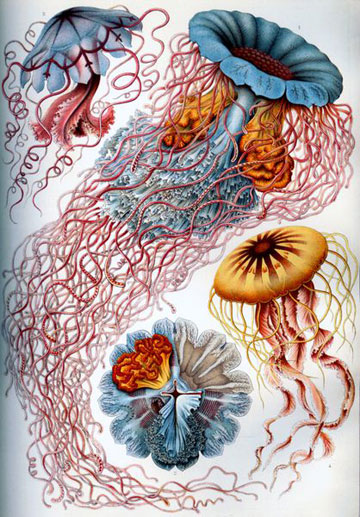
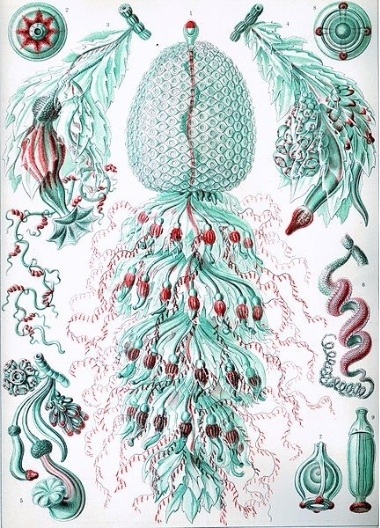
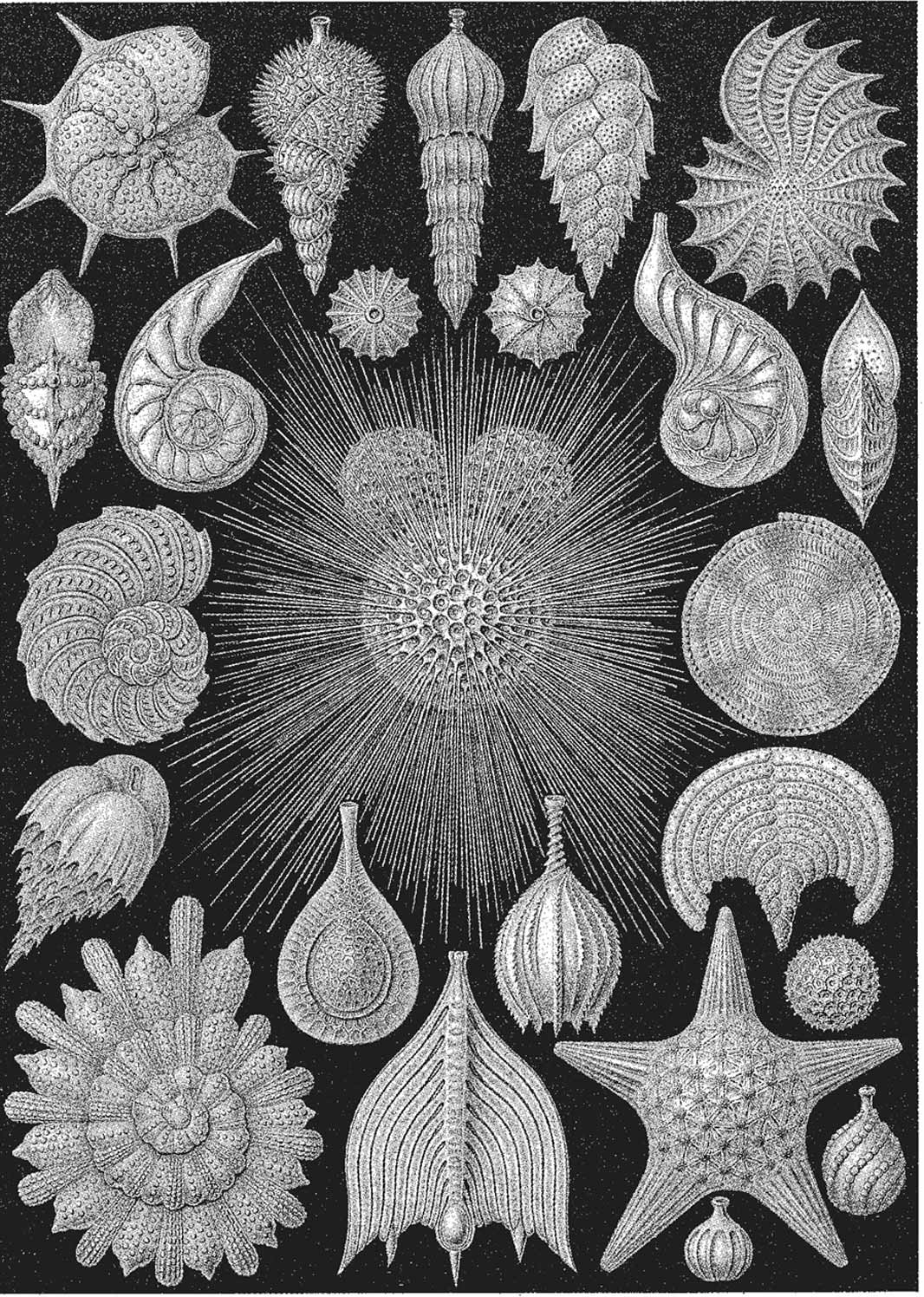
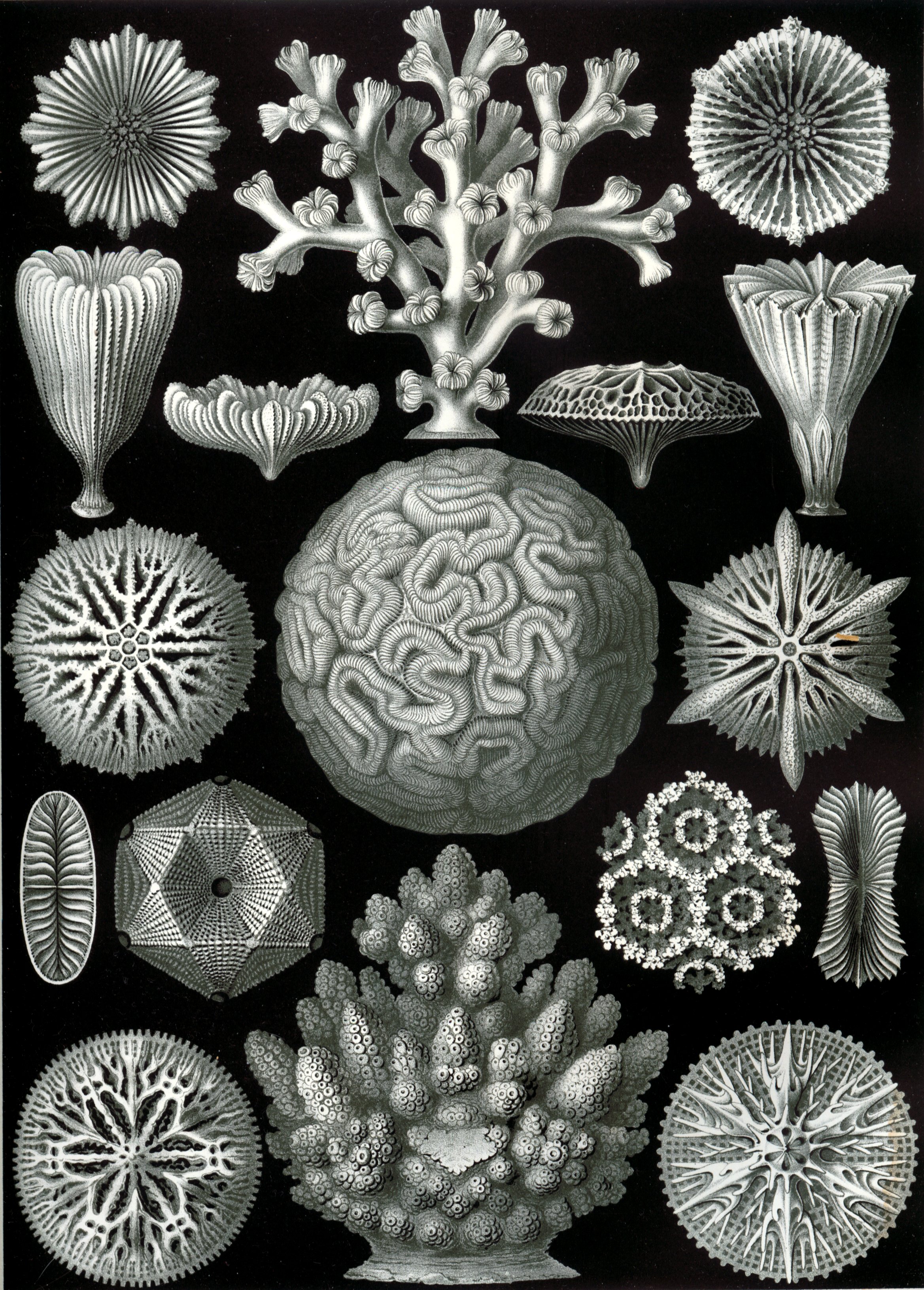
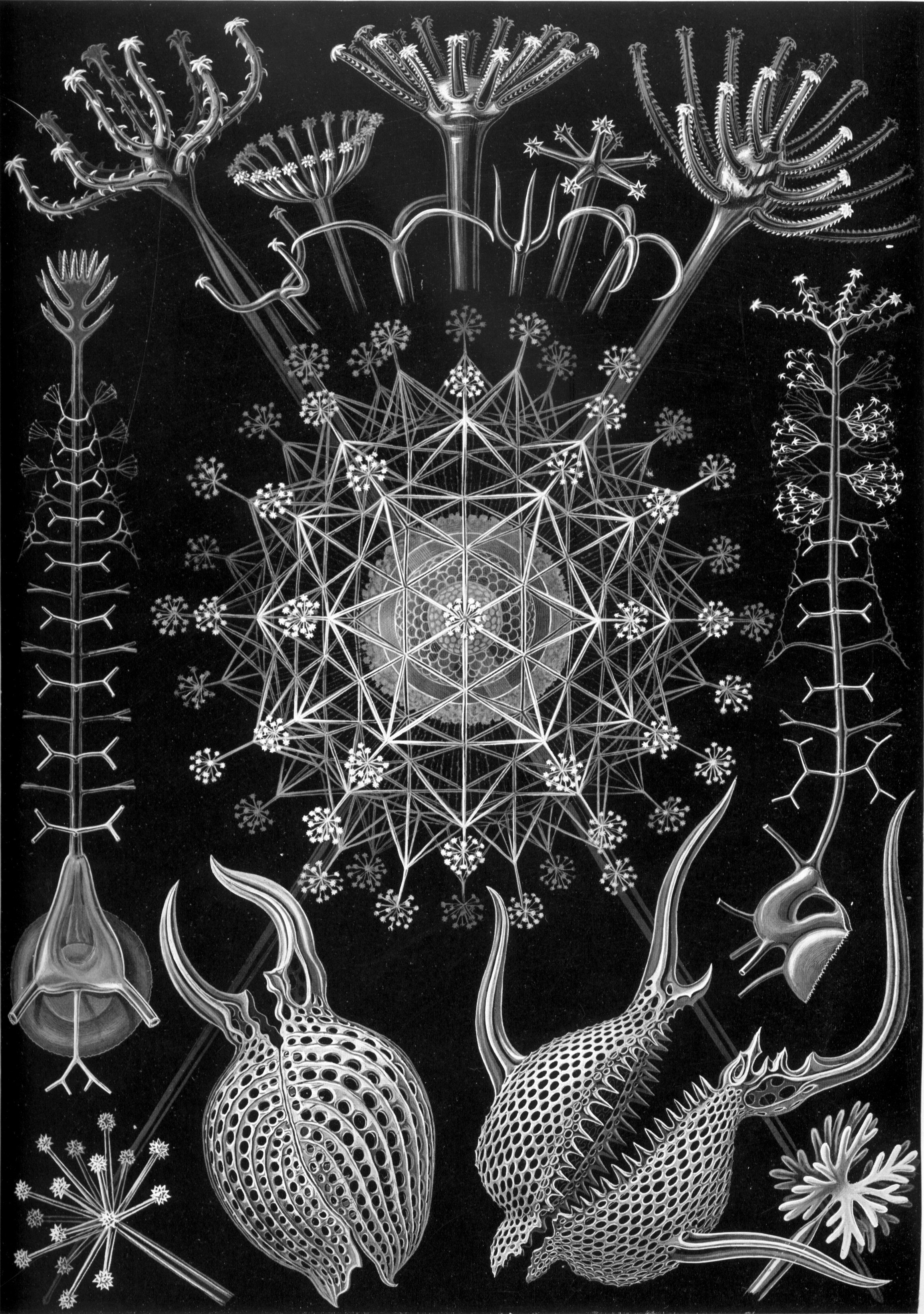
Ernst Haeckel
http://www.johnchiappone.com/hum_int.html
http://eukaryography.wordpress.com/2010/06/25/art-forms-in-nature/
http://martijnvanberkum.wordpress.com/2009/04/11/ernst-haeckel/sm4/
http://recursive-nature.com/artists/
http://comm02.wordpress.com/2010/02/24/ernst-haeckel/
http://en.wikipedia.org/wiki/Ernst_Haeckel
Mitsuo Katsui
Visionary Scape:
Visionary Scape:
http://www.jagda.org/en/awards/kamekura/07/
Visionary Gene:
http://gurafiku.tumblr.com/post/3309868887/japanese-poster-visionary-gene-mitsuo-katsui
http://www.katsui.co.jp/
Via http://temple-of-light.blogspot.com/2011/04/mitsuo-katsui-4.html
Visionary Scape:
http://www.jagda.org/en/awards/kamekura/07/
Visionary Gene:
http://gurafiku.tumblr.com/post/3309868887/japanese-poster-visionary-gene-mitsuo-katsui
http://www.katsui.co.jp/
Via http://temple-of-light.blogspot.com/2011/04/mitsuo-katsui-4.html
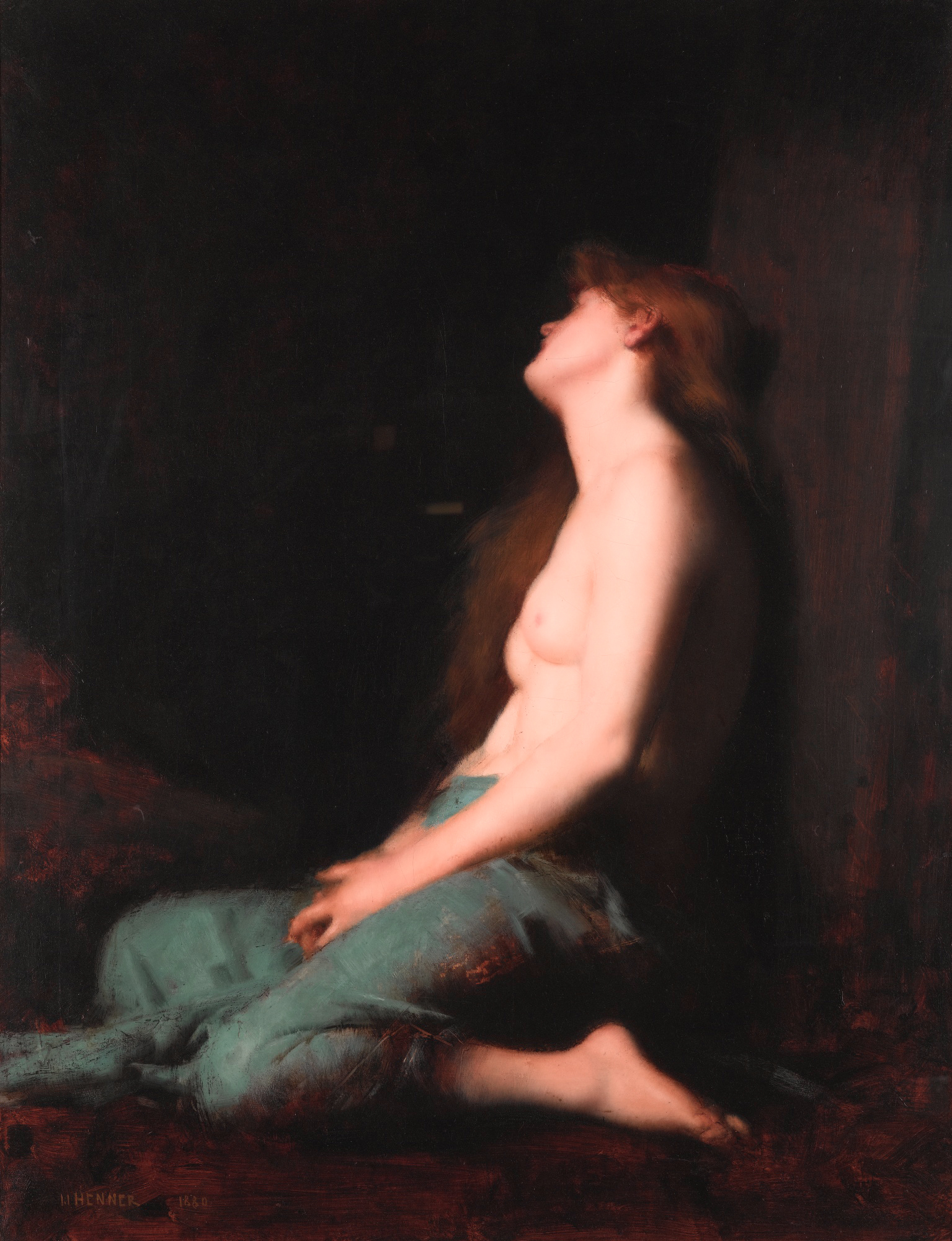
Jean-Jacques Henner
Reclining Nude:
La Liseuse:
Solitude:
http://en.wikipedia.org/wiki/Jean-Jacques_Henner
(Via http://jahsonic.tumblr.com/post/4963213849/reclining-nude-1-by-jean-jacques-henner)
La Liseuse:
Solitude:
http://en.wikipedia.org/wiki/Jean-Jacques_Henner
(Via http://jahsonic.tumblr.com/post/4963213849/reclining-nude-1-by-jean-jacques-henner)
Debussy
Clair de Lune:
http://www.youtube.com/watch?v=cJsyMmC76aM
First Arabesque:
http://www.youtube.com/watch?v=A6s49OKp6aE
http://en.wikipedia.org/wiki/Claude_Debussy
http://www.youtube.com/watch?v=cJsyMmC76aM
First Arabesque:
http://www.youtube.com/watch?v=A6s49OKp6aE
http://en.wikipedia.org/wiki/Claude_Debussy
Matthew Ryan Barton
Affects of Effects of Gravity:
http://vimeo.com/18689204
http://ilikethisart.net/?p=9339
http://www.matthewryanbarton.com/
http://vimeo.com/18689204
http://ilikethisart.net/?p=9339
http://www.matthewryanbarton.com/
Stephan Tillmans
Luminant Point Arrays (leuchtpunktordnungen):
The Luminant Point Arrays show tube televisions in the moment they are swicthed off. The television picture breaks down and creates a structure of light. The pictures refuse external reference and broach the issue of the difference between abstraction and concretion in photography. The breakdown of the television picture describes the breakdown of the reference. The product is self-referential photography.
http://www.stephantillmans.com/index.php?/portfolio/leuchtpunktordnungen/
http://ilikethisart.net/?p=9279
http://www.stephantillmans.com/
The Luminant Point Arrays show tube televisions in the moment they are swicthed off. The television picture breaks down and creates a structure of light. The pictures refuse external reference and broach the issue of the difference between abstraction and concretion in photography. The breakdown of the television picture describes the breakdown of the reference. The product is self-referential photography.
http://www.stephantillmans.com/index.php?/portfolio/leuchtpunktordnungen/
http://ilikethisart.net/?p=9279
http://www.stephantillmans.com/
Regine Petersen
Find a Falling Star:
http://www.reginepetersen.com/work%20in%20progress/e_01.html
To Think About Things:
http://www.reginepetersen.com/dashaar/e_01.html
Diary:
http://www.reginepetersen.com/alphabet/e_01.html
http://www.reginepetersen.com
http://www.reginepetersen.com/work%20in%20progress/e_01.html
To Think About Things:
http://www.reginepetersen.com/dashaar/e_01.html
Diary:
http://www.reginepetersen.com/alphabet/e_01.html
http://www.reginepetersen.com
Crossing the Rubicon
The point of no return is the point beyond which someone, or some group of people, must continue on their current course of action, either because turning back is physically impossible, or because to do so would be prohibitively expensive or dangerous. It is also used when the distance or effort required to get back would be greater than the remainder of the journey or task as yet undertaken.
A particular irreversible action (e.g., setting off an explosion or signing a contract) can be a point of no return, but the point of no return can also be a calculated point during a continuous action (such as in aviation).
Contents
Crossing the Rubicon is a metaphor for deliberately proceeding past a point of no return. The phrase originates with Julius Caesar's invasion of Ancient Rome (January 10, 49 BC), when he led his army across the Rubicon River in violation of law, thus making conflict inevitable. Therefore the term "the Rubicon" is used as a synonym to the "point of no return".
http://en.wikipedia.org/wiki/Crossing_the_Rubicon
A particular irreversible action (e.g., setting off an explosion or signing a contract) can be a point of no return, but the point of no return can also be a calculated point during a continuous action (such as in aviation).
Contents
Crossing the Rubicon is a metaphor for deliberately proceeding past a point of no return. The phrase originates with Julius Caesar's invasion of Ancient Rome (January 10, 49 BC), when he led his army across the Rubicon River in violation of law, thus making conflict inevitable. Therefore the term "the Rubicon" is used as a synonym to the "point of no return".
http://en.wikipedia.org/wiki/Crossing_the_Rubicon
Iman Issa
Colors, Lines, Numbers, Symbols, Shapes, and Images:
http://www.vvork.com/?p=22091
http://imanissa.com/colors-lines-numbers-symbols-shapes-and-images
http://imanissa.com
http://www.vvork.com/?p=22091
http://imanissa.com/colors-lines-numbers-symbols-shapes-and-images
http://imanissa.com
Subscribe to:
Posts (Atom)